
For businesses operating across multiple locations, website design is far more than a digital brochure. It serves as a central hub that connects regional branches, maintains brand consistency, and supports long-term growth. Homeware brands, health and wellness providers, and retail businesses rely on a strong online presence to communicate trust, accessibility, and professionalism to customers in different areas.
As organisations expand, the challenge is no longer simply having an online presence, but ensuring that it works effectively at scale. From managing multiple service areas to maintaining consistent messaging, thoughtful planning is essential.
This article outlines key considerations for businesses operating across multiple locations.
Creating a Consistent Brand Experience Across Locations
One of the biggest challenges for multi-location businesses is maintaining a unified brand identity while still allowing room for local relevance. Customers expect the same level of professionalism and familiarity whether they are engaging with a flagship branch or a smaller regional outlet. Consistent use of colours, typography, tone of voice, and imagery helps reinforce brand recognition and builds trust over time.
At the same time, local pages should not feel generic or disconnected. Each location can reflect its own character through tailored content, imagery, or messaging that resonates with the local audience, while still aligning with the wider brand. This balance ensures the business feels both established and approachable.
Strong website design plays a crucial role here, acting as the framework that keeps everything visually and structurally aligned while supporting flexibility at a local level. When done well, customers experience a seamless journey that feels coherent, no matter which branch they interact with.
Structuring the Website for Scalability and Growth
A multi-location business must think beyond its current footprint. The structure of the site should be designed to accommodate future expansion without requiring a complete rebuild. This starts with a clear and logical hierarchy, where new locations, services, or regions can be added without disrupting the existing structure.
Location-specific landing pages are often an effective approach, allowing each branch to have dedicated content while remaining part of a cohesive system. These pages can include local contact details, opening times, and relevant information without duplicating content unnecessarily. This not only improves usability but also supports long-term marketing and search visibility.
Choosing the right platform is critical at this stage. Many businesses explore the
best website builders to support growth, but it is important to ensure the chosen solution can handle increased complexity, custom functionality, and ongoing updates as the business evolves.
Designing for Local Visibility Without Fragmentation
For businesses serving multiple areas, being visible to local audiences is essential. Customers often search for nearby services, expecting clear and relevant results. This means location-based content must be carefully planned to avoid inconsistency or confusion.
Rather than creating entirely separate sites for each location, a centralised approach with well-structured local pages often provides better control and consistency. This allows businesses to manage updates efficiently while ensuring each branch feels properly represented. Clear navigation helps users quickly find their nearest location, improving the overall experience.
Many organisations turn to a website designer near me when seeking local expertise, but the real value lies in understanding how to build a system that works nationally or regionally, not just locally. A well-planned approach ensures local relevance without sacrificing brand integrity.
Supporting Multiple Teams and Ongoing Content Updates
Multi-location businesses often involve multiple stakeholders, from head office teams to regional managers. The website must support this operational reality without becoming difficult to manage. Clear content governance, defined user roles, and straightforward update processes are essential.
A content management system that allows controlled access helps ensure accuracy while preventing inconsistencies. For example, local teams may update opening hours or contact details, while core brand content remains centrally managed. This reduces the risk of outdated information and ensures customers always receive reliable details.
Working with an experienced website design company can help establish these systems from the outset, ensuring the site remains manageable as the business grows. This approach saves time, reduces errors, and supports long-term efficiency.
Optimising User Experience Across Devices and Regions
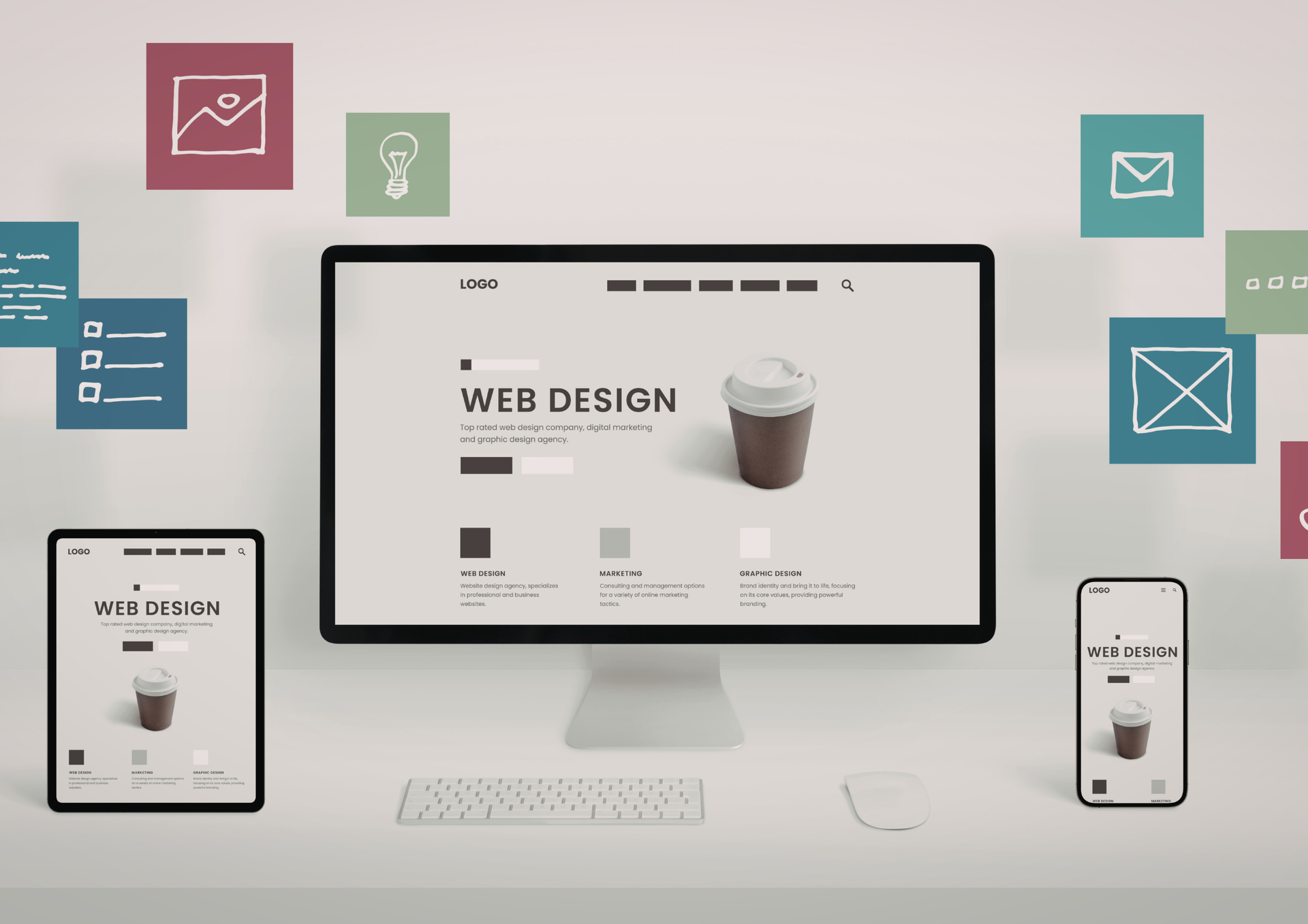
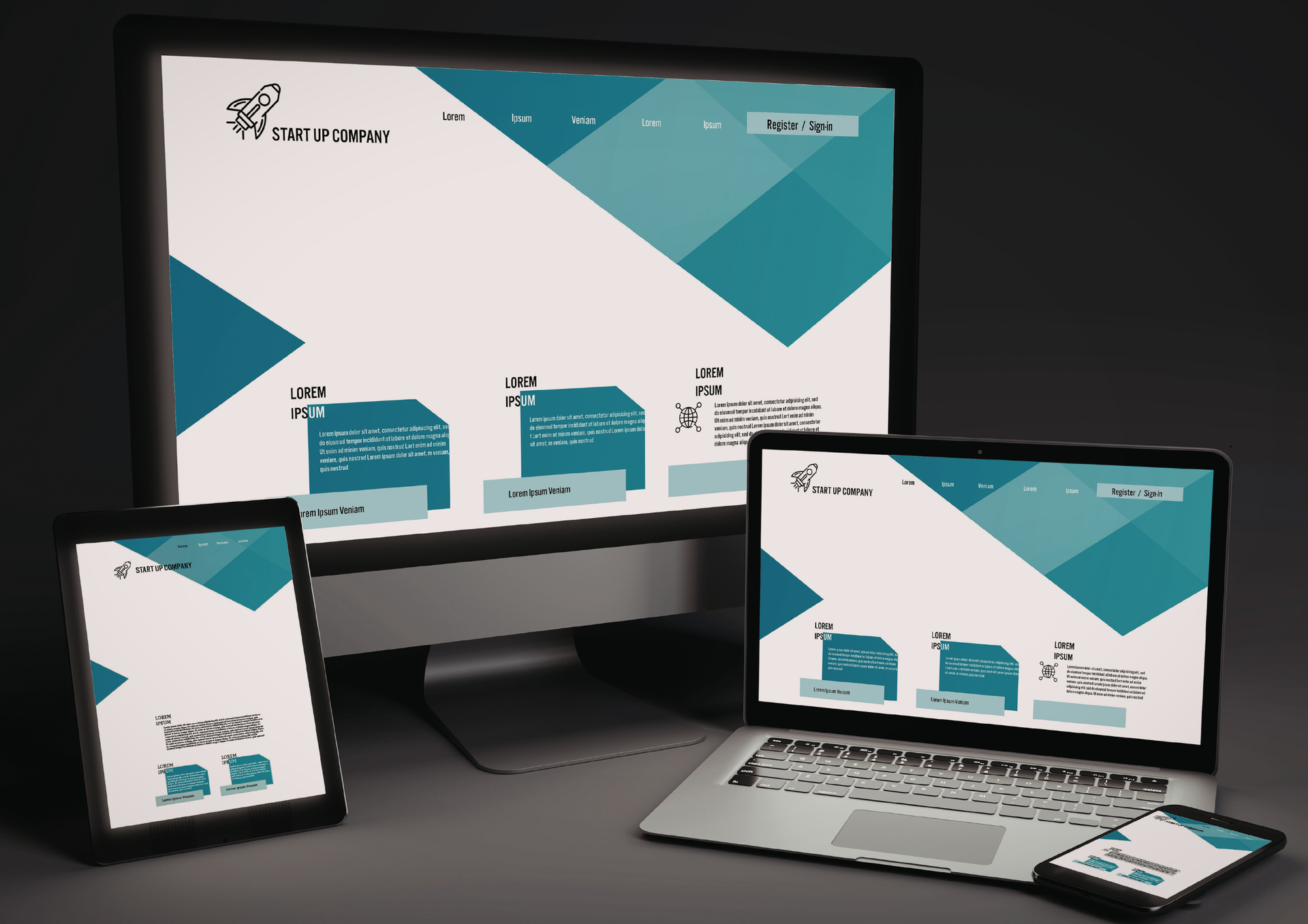
Customers expect a smooth and intuitive experience regardless of how or where they access a website. Multi-location businesses must ensure their site performs consistently across devices, screen sizes, and connection speeds. This is especially important for retail and wellness brands, where customers may browse on the go or make quick decisions based on first impressions.
Clear navigation, fast-loading pages, and intuitive layouts all contribute to a positive experience. Location finders, maps, and simple contact options help users quickly take action without frustration. Thoughtful web page design ensures that information is easy to find and visually clear, regardless of the complexity behind the scenes.
When user experience is prioritised, customers are more likely to engage, return, and trust the brand, supporting both local branches and the wider business.
For multi-location businesses, a well-planned website is a strategic asset rather than a simple marketing tool. Consistency, scalability, and usability must work together to support both current operations and future growth. By focusing on structure, brand alignment, and user experience, businesses can create an online presence that serves every location effectively while reinforcing a strong and reliable identity.
Thoughtful planning and professional execution ensure that the website grows alongside the business, adapting to new locations, audiences, and opportunities without losing clarity or control.
ETA Web Design Grimsby specializes in building professional, scalable websites that support multi-location businesses at every stage of growth. We understand the importance of consistency, clarity, and long-term performance, and we design with real business objectives in mind.
Our approach to website design focuses on creating structured, flexible websites that are easy to manage, simple to expand, and built to deliver measurable results. Whether you manage a small network of locations or are planning national growth, we provide clear guidance, dependable support, and solutions designed to last.
Just out on X: Key
website design considerations for multi-location businesses!