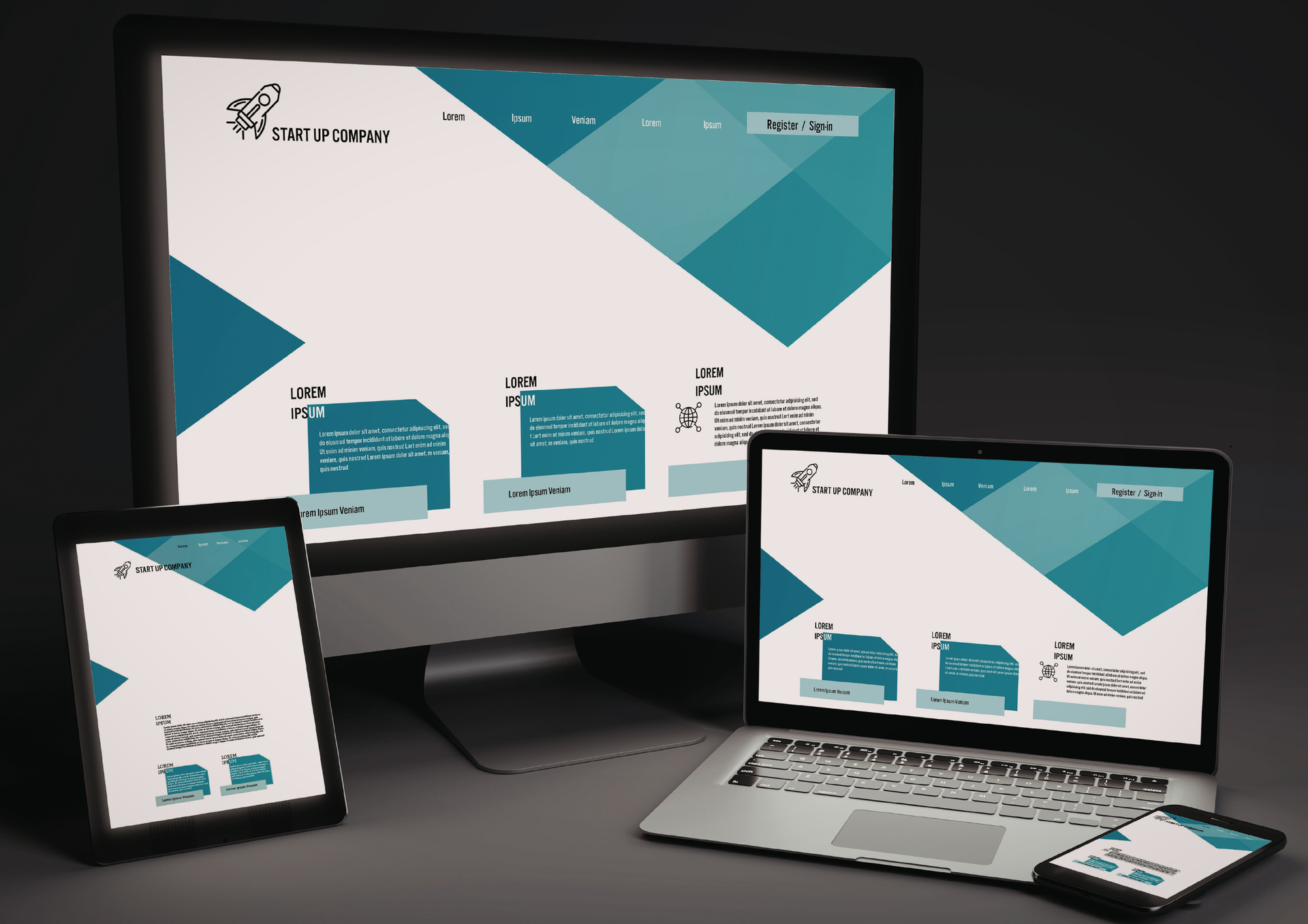

A business website should evolve alongside the organisation it represents. Customer expectations change, technology advances, and businesses introduce new products, services, and ways for customers to interact with them. A site that worked effectively several years ago may therefore need improvements to remain useful, professional, and competitive.
For homeware brands, health and wellness businesses, retailers, and entrepreneurs in Grimsby, thoughtful website development can improve much more than appearance. Technical performance, navigation, functionality, content management, mobile usability, and scalability all contribute to how successfully a site supports its audience.
Improving an existing website does not necessarily mean replacing everything. In many cases, targeted changes can address weaknesses while preserving elements that already work well. The key is identifying improvements based on genuine business and user needs rather than introducing features simply because they are fashionable.
This guide explores practical ideas businesses can consider when improving an existing website, with an emphasis on usability, performance, flexibility, and sustainable digital growth.
Improve Navigation and the Overall User Journey
One of the most valuable improvements a business can make is simplifying how visitors move through its website. Users generally arrive with a purpose, whether they want to browse products, understand a service, compare options, make an inquiry, or find contact information. Navigation should make those objectives straightforward.
Start by reviewing the main menu. Too many options can make it difficult for visitors to decide where to go, while vague labels may require unnecessary thought. Familiar terms such as Products, Services, About, Contact, and FAQs are often more useful than creative labels that do not immediately communicate what a page contains.
Page hierarchy matters as well. Important information should not be buried several levels deep unless there is a clear reason. Related pages can be grouped logically so that users can explore further without repeatedly returning to the main menu.
Internal links can improve the journey by connecting useful information naturally. A product guide might direct readers to an appropriate product category, while a service explanation could lead to an enquiry page. These connections should be relevant rather than inserted simply to increase the number of links.
Businesses should also review where visitors are expected to take action. Contact buttons, booking links, product options, and other calls to action should appear at logical points in the journey. Users who are ready to proceed should not need to search for the next step.
A professional website development approach considers these journeys across the entire site. Rather than treating each page independently, it creates a connected experience that helps visitors move from initial interest towards an appropriate action.
Strengthen Speed, Mobile Usability, and Technical Performance
Website improvements should address performance as well as visible content. Slow pages, unstable layouts, or awkward mobile experiences can create frustration before visitors have had an opportunity to understand what the business offers.
A structured performance review can identify areas where relatively small changes could make a noticeable difference:
- Compress oversized images while maintaining appropriate visual quality.
- Remove outdated scripts, plugins, or features that are no longer necessary.
- Review video and animation use so that visual effects do not create excessive loading demands.
- Check that layouts adapt properly to different screen sizes.
- Make buttons and links large enough to use comfortably on touchscreens.
- Ensure text remains readable without requiring users to zoom.
- Simplify mobile navigation so important pages remain easy to reach.
- Review forms to ensure they are straightforward to complete on smaller screens.
- Test important pages regularly after technical updates.
- Fix broken links, missing resources, and unnecessary redirects that can interrupt the experience.
Performance should be considered continuously because websites change. New images, product ranges, marketing tools, and integrations can gradually add additional demands.
Working with a website development company can provide a structured way to identify technical weaknesses while considering how proposed improvements affect the wider site. This can be particularly useful when a business has accumulated years of content, plugins, integrations, or modifications and needs to determine what should be retained, improved, or removed.
For businesses in Grimsby and elsewhere, strong performance creates a more dependable experience. Visitors can access information with less waiting, while teams benefit from a platform that is easier to maintain and develop over time.
Introduce Features That Solve Genuine Customer Needs
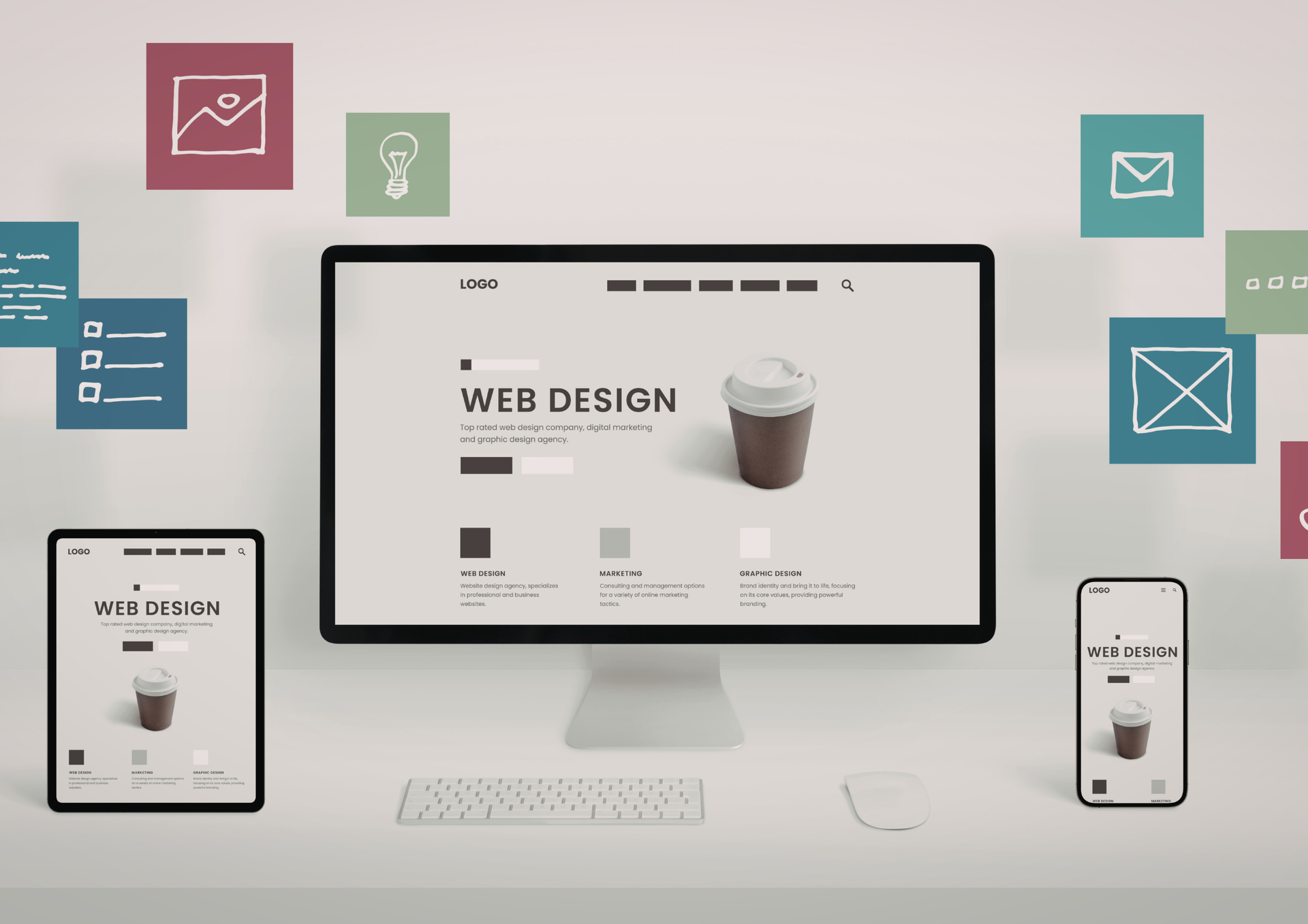
Adding functionality can make a website considerably more useful, but additional features should have a clear purpose. More functionality does not automatically mean a better website. Unnecessary features can introduce complexity, increase maintenance requirements, and distract users from important actions.
The best starting point is to identify recurring customer questions or operational tasks. If customers regularly ask whether a product is available, improved product information or stock visibility might help. If a wellness business receives repeated telephone calls to arrange appointments, a suitable booking system could make the process more convenient. A homeware business offering bespoke products might benefit from a structured quotation or consultation form.
Retail businesses may consider filtering, search improvements, saved items, account functionality, or clearer delivery information. The right features depend on how customers actually shop rather than what competing websites happen to include.
Forms are another area worth reviewing. Asking for excessive information can discourage enquiries, while asking too little may leave the business without enough detail to respond efficiently. Each field should therefore serve a clear purpose.
Integrations can also reduce repetitive administrative work. Depending on business requirements, a website might connect with customer management systems, email platforms, inventory tools, payment services, or internal reporting systems. These connections should be planned carefully so they simplify processes rather than create additional dependencies.
Experienced website developers can help translate operational requirements into appropriate functionality. The objective should be to solve specific problems and create smoother interactions rather than adding technology for its own sake.
Accessibility should remain part of these decisions. New functionality should be understandable and usable by as broad an audience as reasonably possible. Clear labels, logical interactions, readable content, and predictable behaviour can make sophisticated features easier for everyone to use.
Make Content Easier to Manage and Scale
A business website is rarely finished at launch. Product information changes, services evolve, teams publish new resources, and organisations expand into new markets. Improving how content is managed can therefore provide substantial long-term value.
Businesses can consider several practical changes:
- Create reusable templates for recurring content types.
- Establish consistent layouts for product, service, and information pages.
- Organise categories so content remains manageable as the site grows.
- Give appropriate team members straightforward editing controls.
- Define image sizes and formatting standards to maintain consistency.
- Remove duplicate, outdated, or unnecessary pages.
- Create clear naming conventions for internal content management.
- Plan structures that can accommodate new products or services.
- Review permissions so users have access only to the areas they need.
- Establish a regular process for checking and refreshing important information.
A flexible content system reduces dependence on technical intervention for routine changes. Teams can update information efficiently while maintaining the visual and structural consistency of the wider site.
Businesses searching for web developers near me may find it useful to consider not only who can implement immediate changes but also who understands future content requirements. A system that is easy to manage today should remain practical when the number of pages, products, locations, or contributors increases.
Scalability also involves avoiding unnecessary duplication. If the same information appears across multiple areas, centralised content or reusable components may make updates more reliable. Changing information once rather than manually editing numerous pages reduces the possibility of inconsistencies.
Good content management gives businesses greater control over their digital presence while providing a stronger foundation for future expansion.
Use Data and Testing to Guide Future Improvements
Website improvement should be an ongoing process rather than a collection of assumptions. Businesses can learn a great deal by examining how visitors actually interact with their pages and identifying where difficulties occur.
Analytics may reveal pages with strong traffic but weak engagement, common exit points, popular products, frequently visited services, or differences between desktop and mobile behaviour. These patterns can help teams decide where improvements are most likely to have an impact.
Testing can then be used to evaluate specific changes. Businesses might compare different page structures, adjust calls to action, simplify forms, or reorganise important information. Changes should be made with a clear objective so results can be assessed meaningfully.
Feedback from customers and staff can be equally valuable. Customer-facing employees often hear recurring questions that indicate information is difficult to find online. Likewise, support enquiries may highlight unclear processes or missing details.
A web development company can support a structured improvement process by considering technical data alongside business objectives. However, decisions should remain proportionate. Not every small fluctuation requires a redesign, and meaningful patterns are generally more useful than reacting to individual statistics.
Long-term optimisation also means reviewing the platform as the organisation changes. A website designed for a small product range may need a different structure once hundreds of products are available. A business that initially relied on enquiries may later introduce online transactions, appointments, customer accounts, or additional locations.
Regular assessment helps ensure a website continues to serve its purpose rather than gradually becoming outdated. Ongoing website development allows organisations to make measured improvements to functionality, performance and usability as business needs change, helping protect previous investment while preparing the website for future requirements.
ETA Web Design Grimsby provides practical support for businesses seeking professional, scalable, and results-driven website solutions. We focus on understanding what an existing site does well, where limitations are affecting users, and which improvements can provide meaningful long-term value.
Our approach considers structure, functionality, performance, content management, and future growth together rather than treating each area in isolation. This helps ensure improvements work as part of a coherent digital platform and remain manageable as business requirements change.
Whether a business needs to refine an established site, introduce new functionality, improve the customer journey, or prepare its platform for future expansion, we focus on clear planning and practical solutions suited to its individual goals.
Check out our latest X update on
website development ideas that can help improve your business website!