
A modern business website is expected to do far more than provide basic company information. Customers increasingly expect fast loading times, straightforward navigation, mobile compatibility, reliable functionality, and convenient ways to interact with a business. For homeware brands, health and wellness businesses, retailers, and growing organisations, meeting these expectations requires careful technical planning.
Website developers play an important role in turning business requirements and design concepts into functional digital platforms. Their work covers the technical structure behind the pages customers see, helping businesses create websites that perform reliably while remaining capable of adapting as requirements change.
For businesses in Grimsby and elsewhere, professional development can provide a stronger foundation for online growth. This article explores five areas where technical expertise contributes to performance, functionality, usability, scalability, and long-term website management.
Building a Strong Technical Foundation
Every effective website depends on a reliable technical foundation. While customers usually focus on the visible pages, menus, images, products, and forms, numerous processes operate behind the scenes to make those elements work correctly.
Professional website development considers how pages are structured, how content is delivered, how different components communicate, and how the platform will respond as more information or functionality is introduced. These decisions can influence speed, reliability, accessibility, and the ease with which the website can be maintained.
A well-planned technical structure is particularly important for businesses expecting their online requirements to expand. A small retailer may initially need only a modest product range but later introduce hundreds of additional items. A health and wellness business may begin with service information before adding appointment functions, customer accounts, or digital resources.
Without appropriate foundations, each new addition can make the website harder to manage. Features may conflict, pages may become inconsistent, and performance can gradually decline.
Technical planning also helps businesses avoid creating a website that only addresses immediate requirements. Considering possible future changes does not mean building unnecessary features from the beginning. Instead, it means establishing a structure that can accommodate sensible expansion without requiring the entire platform to be rebuilt.
This approach can make future changes more manageable while giving businesses greater flexibility as their services, products, and customer expectations develop.
Improving Website Performance and User Experience
Performance has a direct effect on how people experience a website. Customers are unlikely to remain engaged if pages respond slowly, navigation feels awkward, or important features fail to work as expected.
Developers work behind the visible interface to improve how efficiently the website operates. This can involve reviewing code, managing resources, configuring functionality, and ensuring that different components work together effectively.
Important development considerations include:
- Keeping technical resources organised to reduce unnecessary loading demands.
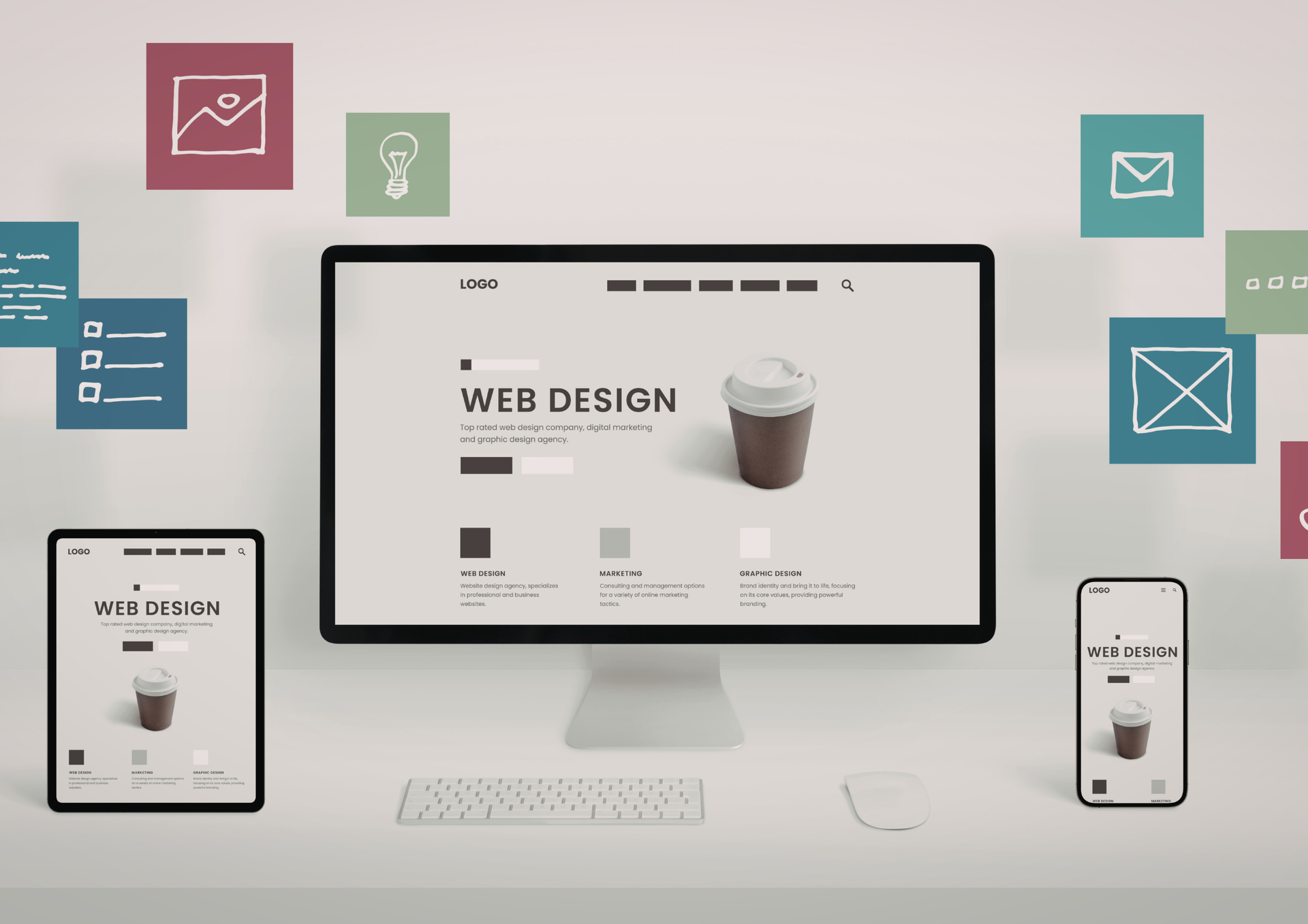
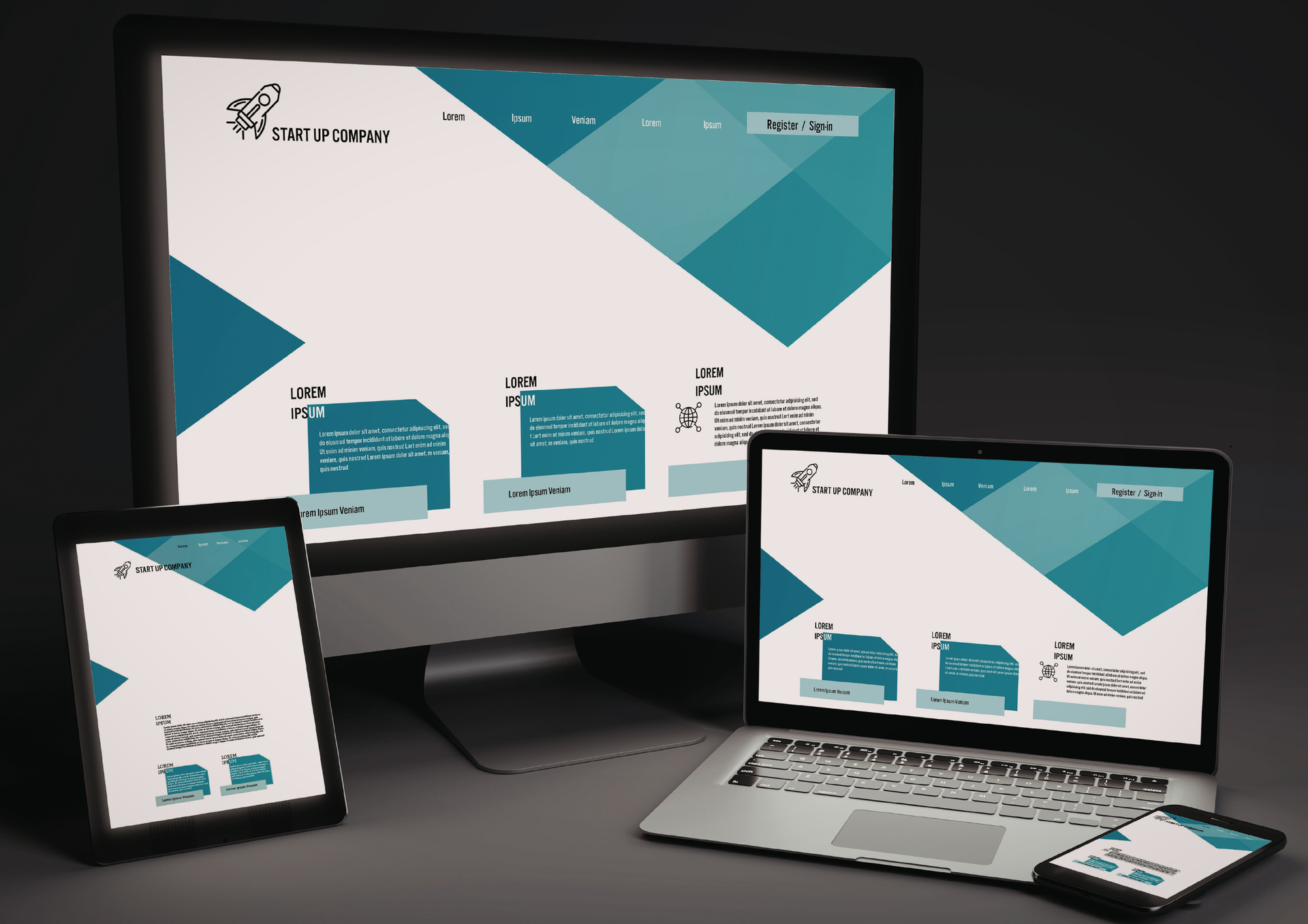
- Ensuring layouts and functionality respond appropriately across desktop, tablet, and mobile devices.
- Testing forms, buttons, menus, product features, and other interactive elements.
- Managing images, scripts, and other resources so they do not create avoidable performance problems.
- Checking that important customer journeys remain clear and functional as the website grows.
- Identifying technical issues that could make pages unreliable or difficult to use.
- Maintaining consistent behaviour across commonly used browsers and devices.
Businesses searching for website developers near me may therefore benefit from looking beyond appearance alone. Technical performance can be just as important as visual presentation because it affects how easily visitors can browse products, explore services, submit enquiries, or complete other important actions.
Good performance should also remain consistent throughout the website. A fast homepage provides limited benefit if product pages, booking forms, or checkout processes are difficult to use. Development should consider the entire customer journey rather than concentrating on individual pages in isolation.

Turning Visual Concepts Into Functional Experiences
A successful website combines visual presentation with practical functionality. Attractive layouts can create a strong first impression, but every visual element must ultimately work within a functioning digital environment.
Web designers commonly focus on areas such as layout, visual hierarchy, typography, branding, spacing, and user journeys. Technical specialists then translate these concepts into working pages and interactive elements. Close collaboration between these disciplines helps ensure that visual ideas remain practical when implemented.
For example, a homeware brand may want large product imagery, sophisticated category pages, and interactive filtering. These elements need to look appealing while remaining responsive and easy to navigate. Similarly, a wellness provider may want an elegant appointment journey that still needs to process selections accurately and provide a straightforward experience across different devices.
Technical implementation can also influence accessibility. Content needs to remain readable, interactive elements should behave predictably, and visitors should be able to navigate the website without encountering unnecessary barriers.
This is where Website developers contribute beyond simply writing code. They consider how visual ideas interact with underlying systems and how those decisions affect real users. A feature that looks impressive in a static concept may need to be adapted to work effectively on smaller screens or under different browsing conditions.
The goal is not to choose between appearance and functionality. Strong websites bring both together so that branding, content, navigation, and technical performance contribute to a coherent experience.
Creating Custom Features for Specific Business Requirements
Different businesses use their websites in different ways. An informational website for a small professional service has very different requirements from a large retail platform or a business managing appointments, memberships, quotations, or customer accounts.
Generic solutions can be useful when requirements are straightforward, but businesses sometimes need features that reflect specific processes. Development expertise makes it possible to assess these requirements and determine an appropriate technical approach.
Custom functionality may include:
- Booking and appointment systems for service-based organisations.
- Advanced product filtering for retailers with extensive catalogues.
- Customer account areas containing relevant information or resources.
- Bespoke enquiry forms designed around particular services or customer needs.
- Connections with stock, customer management, payment, or communication systems.
- Location-based content for organisations operating across several areas.
- Automated processes that reduce repetitive administrative work.
- Tailored dashboards for customers, staff members, or business partners.
Some businesses begin their online presence using Website makers because they provide a convenient way to create a relatively simple site. These platforms can suit straightforward requirements, but businesses may encounter limitations when they need more specialised functionality, greater control, or complex integrations.
Custom features should still be introduced carefully. More functionality does not automatically result in a better website. Each addition should have a clear purpose and support either the customer experience or an important operational requirement.
A sensible development process therefore begins by understanding the problem before deciding on the technology. This helps prevent unnecessary complexity and ensures resources are directed towards features that provide practical value.
Supporting Scalability, Maintenance, and Long-Term Growth
A website is rarely finished permanently when it launches. Products change, services develop, customer expectations evolve, and organisations adopt new systems. The technical structure must be able to accommodate these changes without becoming increasingly difficult to maintain.
Website developers can help businesses prepare for long-term growth by considering scalability from the beginning. This involves creating an organised structure and avoiding unnecessary technical complexity that could make future improvements more difficult.
A scalable website can make it easier to introduce additional pages, products, locations, features, or integrations when they become necessary. For retailers, this could mean expanding product categories without making navigation confusing. For health and wellness organisations, it might involve introducing additional services, practitioners, or booking options while maintaining a consistent customer journey.
Maintenance is equally important. Software components may require updates, integrations can change, and technical issues can emerge over time. Regular attention helps identify problems before they begin to affect a significant part of the customer experience.
Businesses should also review whether existing functionality remains relevant. A feature that was useful when the website launched may become unnecessary as internal processes change. Conversely, business growth may create new requirements that were not important during the original project.
A well-structured platform makes these adjustments easier. Instead of treating every new requirement as a major redevelopment project, businesses can make measured improvements while preserving the underlying stability of the website.
This long-term perspective can be particularly valuable for growing brands. Rather than creating a platform designed only for today's requirements, businesses can establish a flexible digital foundation that supports gradual and practical expansion.
ETA Web Design Grimsby takes a structured approach to creating websites around the practical requirements of each business. We consider how customers will use the platform, what functionality is genuinely necessary, and how the underlying structure can support future changes.
Our web designers combine technical planning with usability, performance, responsive functionality, and long-term flexibility. Rather than introducing features simply for complexity, we focus on solutions that have a clear role within the wider customer journey and business operation.
For businesses in Grimsby and beyond, we aim to provide a clear and considered development process from initial planning through to implementation. By creating manageable foundations with room for sensible expansion, ETA Web Design Grimsby helps organisations establish professional digital platforms suited to both current priorities and future growth.
Check out our latest X update on why
website developers are essential for modern online businesses!